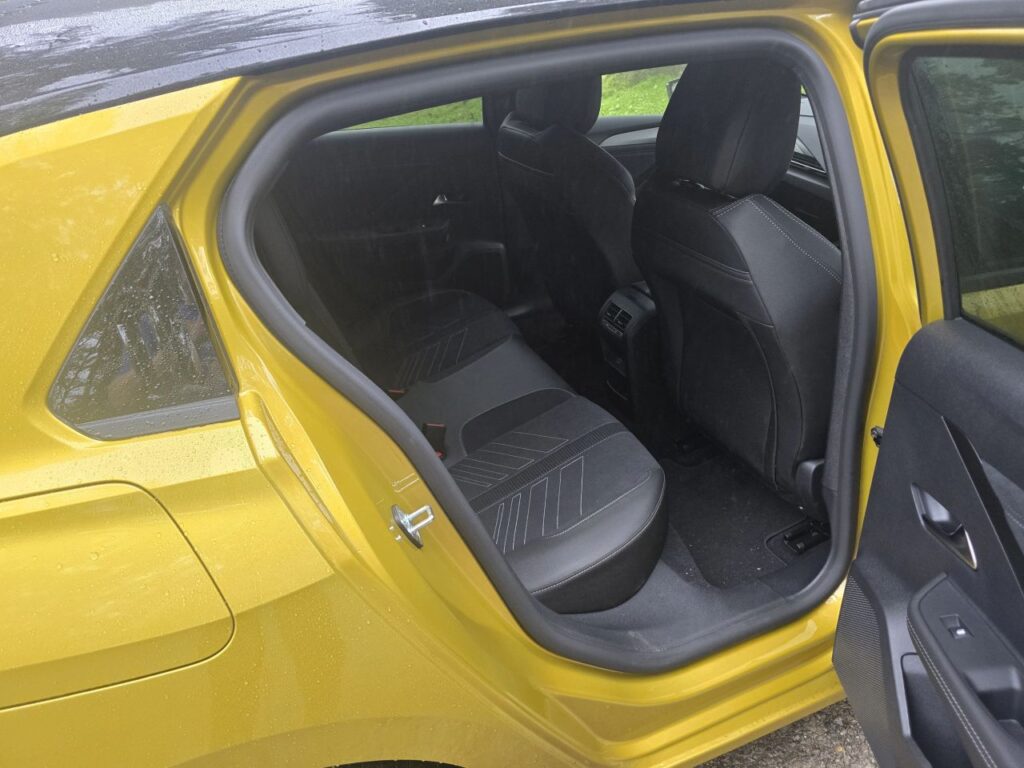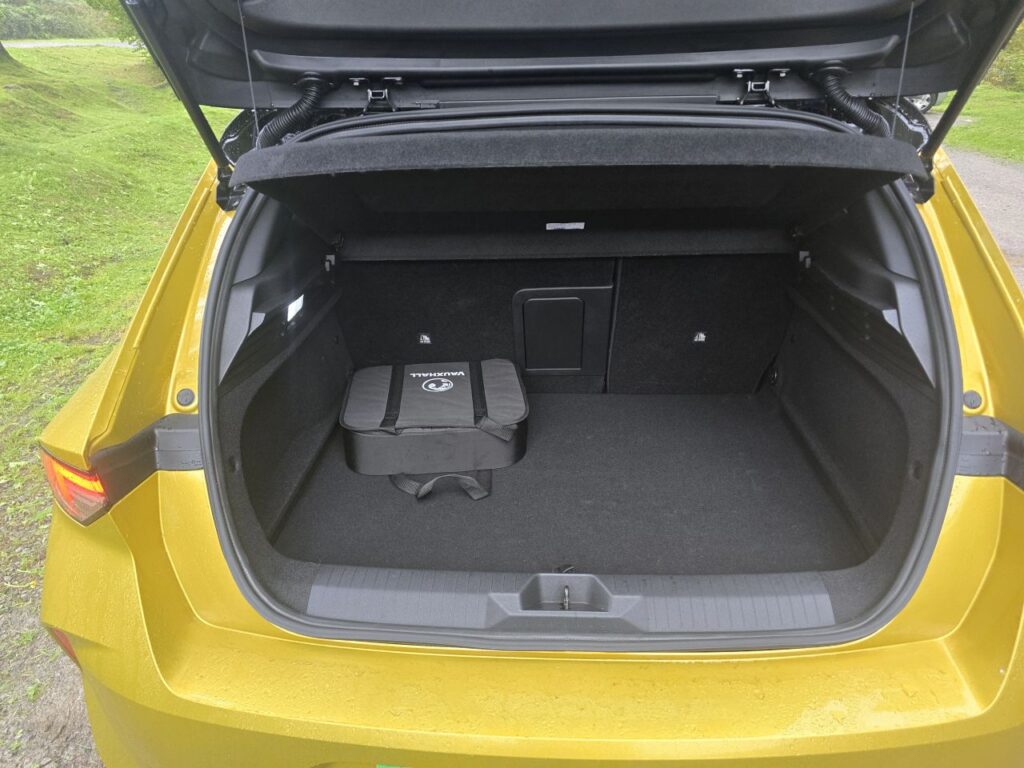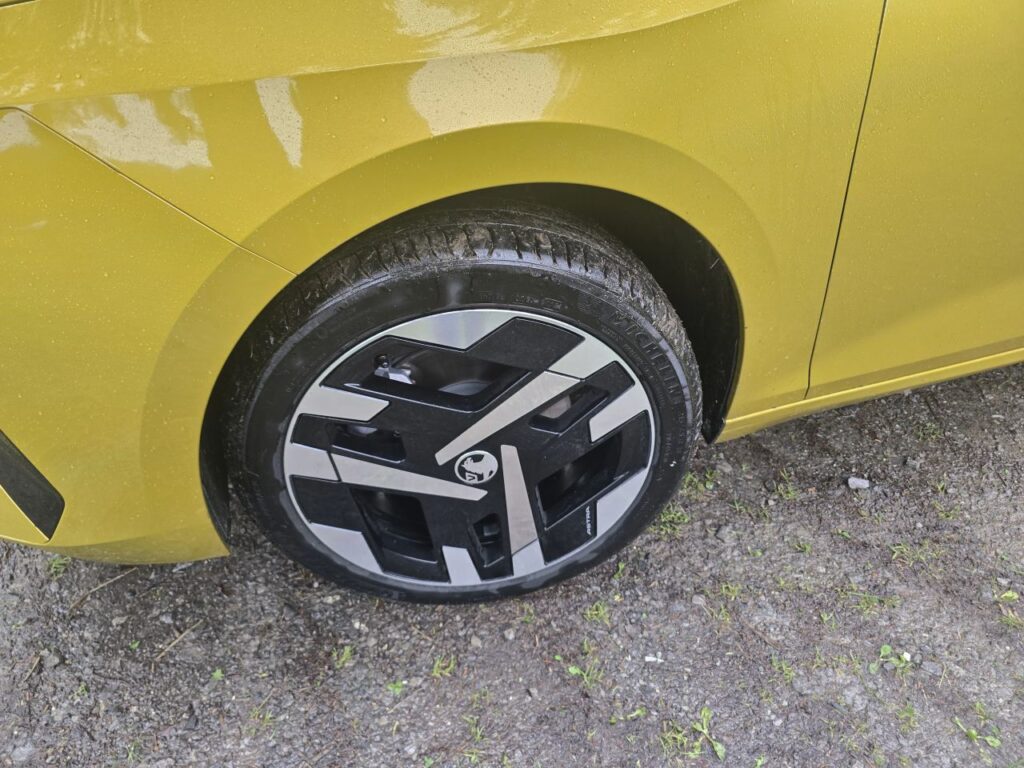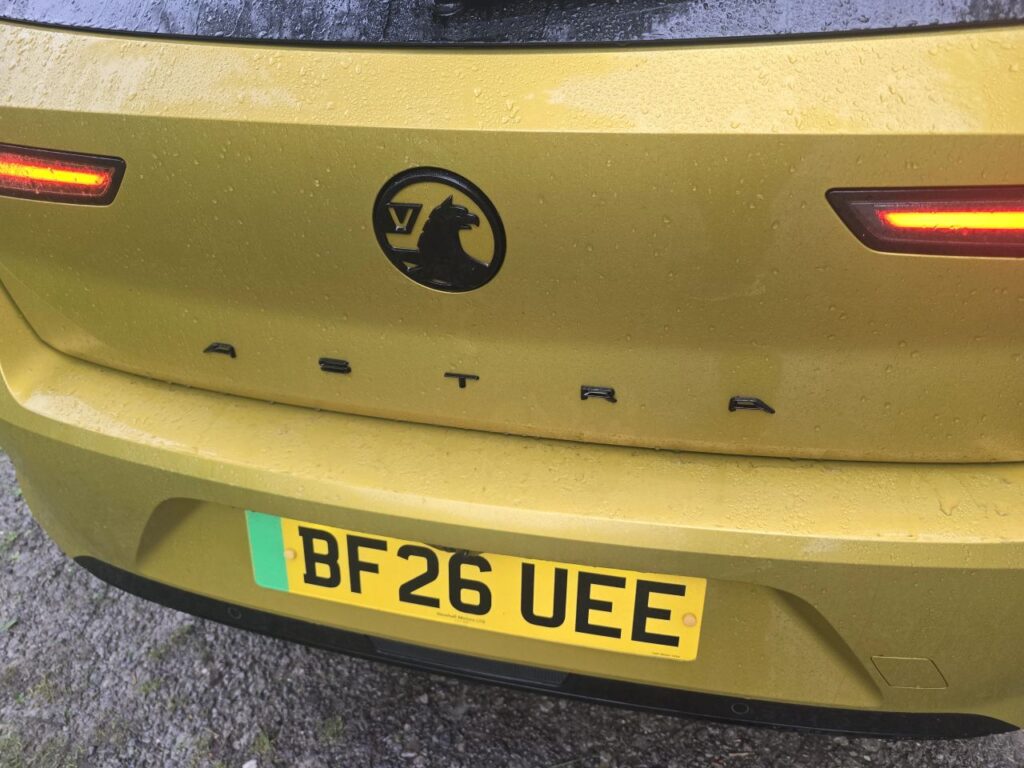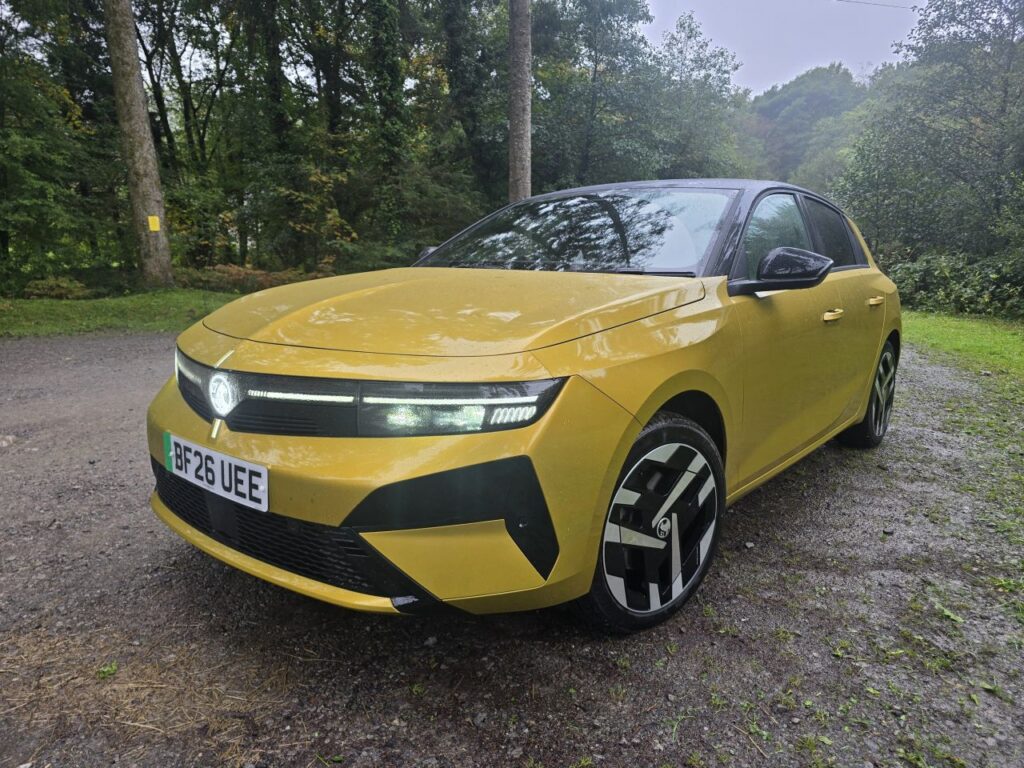
As my week with the electric Vauxhall Astra draws to a close, what did I think?
A staple of the 80s British driveway, what is the latest version like?
And I mean that properly — not as a nostalgia angle, but because the Astra has always been the car ordinary families actually buy. It’s the one that has to make sense on price, on space and on running costs. It never gets to coast on badge appeal. So when I say the electric version is good, it matters more than when I say it about a car with a premium badge on it.
Firstly, it’s genuinely a good car.
I think a lot of people dismiss it due to its smaller battery and, historically, the Stellantis powertrain gained a reputation for poor efficiency, and they are still fighting to throw off that image.
To be fair, that reputation wasn’t unfair. The earlier versions were thirstier than their size suggested, and they were sensitive to the cold in a way that made your winter range a bit of a lottery. Once that sticks, nobody bothers to re-test the car. They just assume.
Let me tell you though, the new motor is up there with the best of them.
I saw an average of 4.9 miles/kWh on a road trip to Alton Towers from Swansea. This was with 4 adults, the car and a boot full of luggage.
That detail matters more than people realise. A fully-loaded car with four adults is where efficiency figures go to die — more weight, more drag from the luggage, more climate control working to keep everyone comfortable, and a lot of it at motorway speeds. Easy, warm, two-up, A-road runs are where manufacturers’ optimistic numbers come from. That wasn’t one. That was the worst realistic case this car will face, and it still returned 4.9.
On my round-town Eco loop it achieved a phenomenal 7.1 miles/kWh.
For context, that’s stop-start traffic, 30s, cold starts, everything that usually punishes a car’s consumption. You don’t get a number like that by accident. It tells you the regeneration is coherent and the thermal management is doing its job, and critically, it tells you the car doesn’t need to be babysat to be efficient.
That’s up there with vehicles from Hyundai and Kia in the efficiency stakes.
And that is genuinely the highest bar you can set in this business. Those brands have spent the last five years building a reputation on exactly this — efficient motors, sensible thermal packaging, heat pumps that actually work. A Vauxhall hatchback going toe to toe with them on consumption is not a small thing, and I don’t think it’s being given anywhere near enough credit for it.
Now on to the specifications.
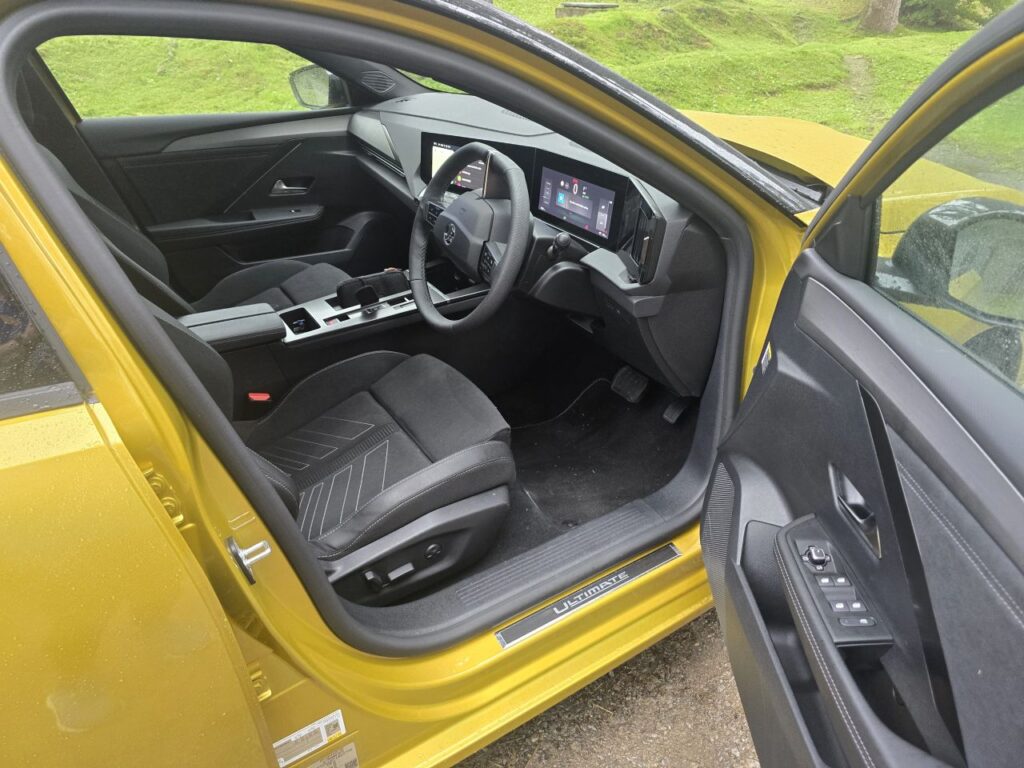
The vehicle I was testing was the Ultimate trim level, which is the highest they do, but even that is only priced at £33,995.
That’s just shy of £3,500 more than the petrol version, and it’s exactly the same price as the Hybrid versions.
Which is the part I’d want anyone cross-shopping to sit with for a second. You’re not paying a penalty to go electric here. On the hybrid you’re paying identical money and carrying an engine, an exhaust and all the servicing that comes with both, and you’re burning fuel either way. On the petrol, that £3,500 difference claws itself back over time, because charging at home costs a fraction of what a litre of petrol does per mile — the more miles you do, the faster that gap closes, and the car is still worth more once it has.
The entry-level Griffin spec comes in at under £30k.
So if the argument against an EV has always been the entry price, that argument is quietly disappearing. Sub-£30k for an electric family hatchback that does over 7 miles from every kilowatt-hour is not the market we were living in three years ago.
So what do you get with the Ultimate?
Pretty much all you need.
Matrix lights, power seats, satellite navigation.
Even nice touches like double-paned acoustic side windows.
And that one is the tell. In a petrol car, the engine is doing a lot of masking work. Take it away and all that’s left is tyre noise and wind noise — which is exactly why acoustic glass in the side windows matters on an EV far more than it ever did on the combustion Astra. Vauxhall clearly knew that, and spent money on it at this price point rather than saving it. Over a week of motorway miles, it showed.
So as you can see, it offers some pretty decent value.
In conclusion, it’s a pretty rounded family car for those not wanting a bulky SUV.
And there are more of those people than the market seems to think. Not everyone needs the load height, the kerb weight or the footprint. The traditional hatchback shape does wonders for efficiency too — lower, slipperier through the air, and less mass to accelerate, all of which comes back around to those consumption figures.
None of this makes it the car for everyone. It’s still the smaller battery, so if you regularly chain 250-mile motorway days in one hit with the family in the back, the charging stops are still the thing to think about, not the range on paper. But for the way most families actually use a car, that isn’t a problem you’ll run into.
If you are looking for a car, it’s well worth checking the Astra out.
You might be surprised.