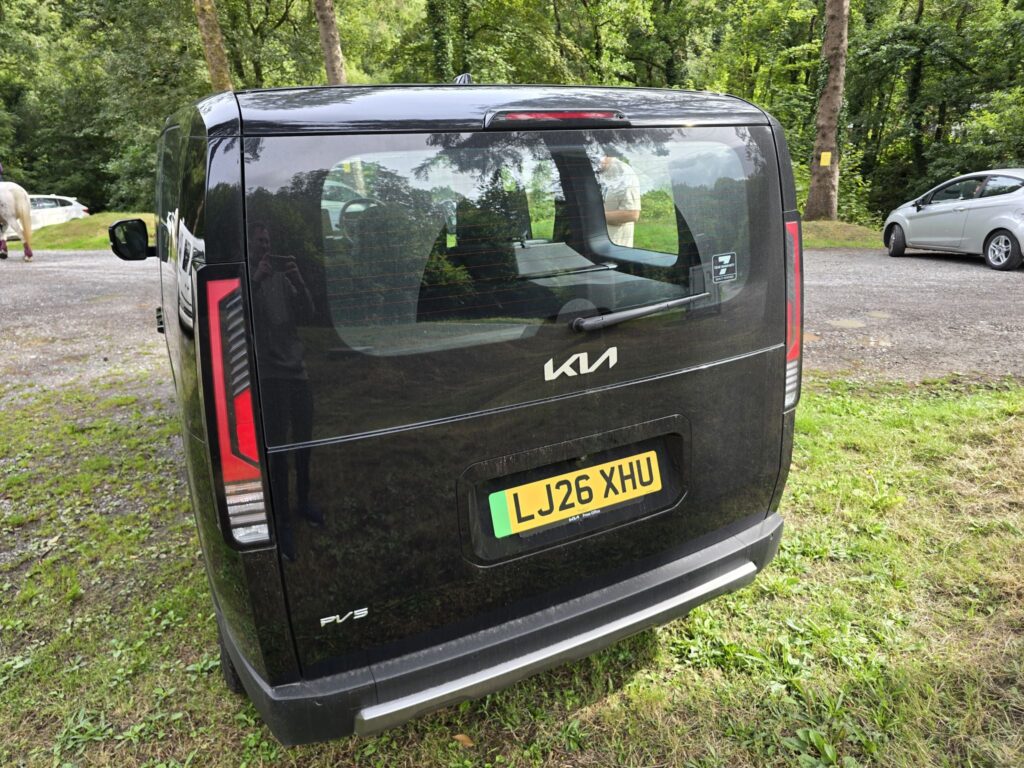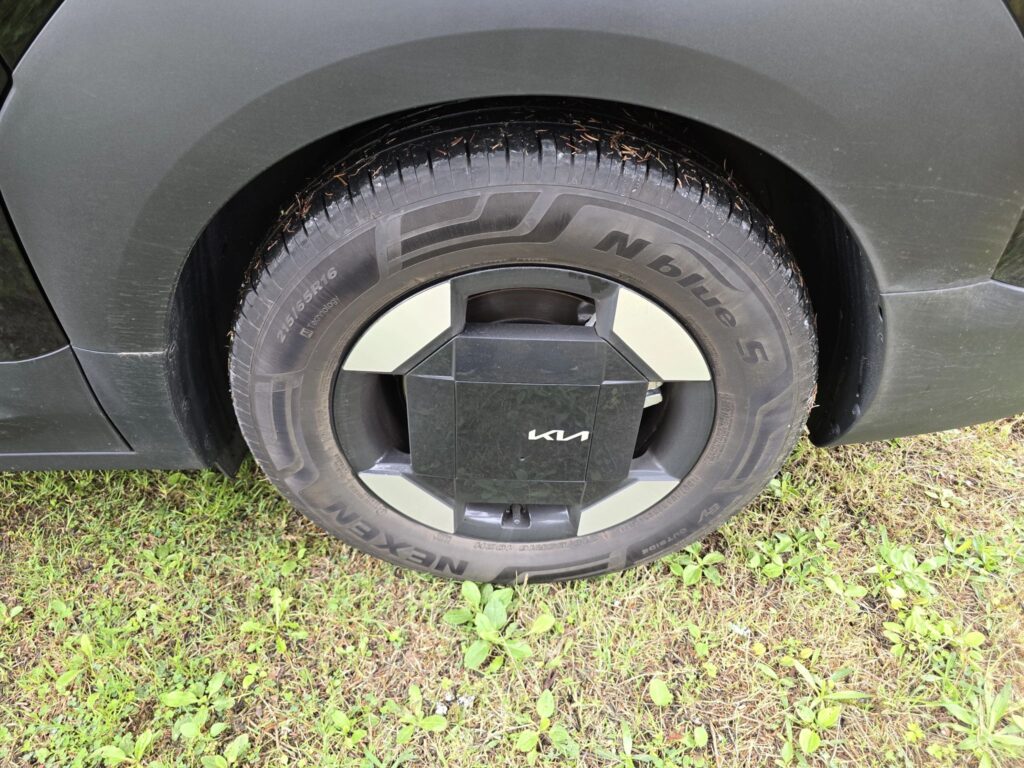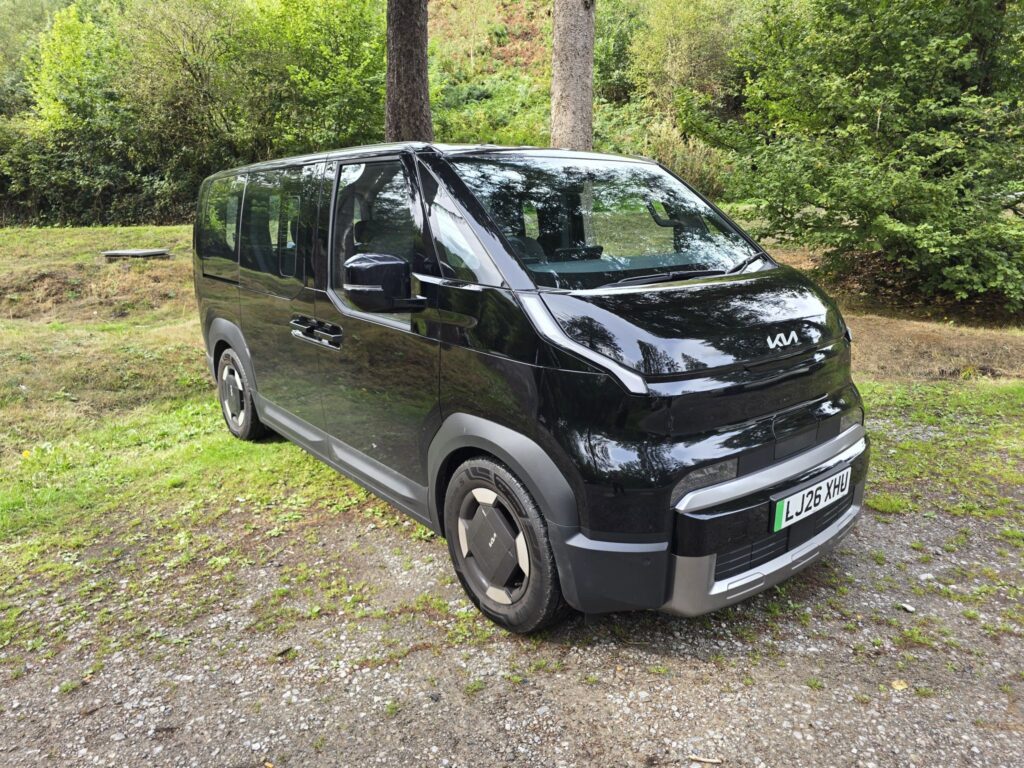
After more than 700 miles with the Kia PV5 Passenger, I think Kia might have created something really interesting here.
As my week with the Kia PV5 comes to an end, it’s time to properly review it — and there’s quite a lot to talk about.
First impressions
The biggest surprise for me was just how much this feels like a car to drive.
Yes, it’s based around a van-style platform, but behind the wheel it doesn’t really feel like you’re driving a traditional van.
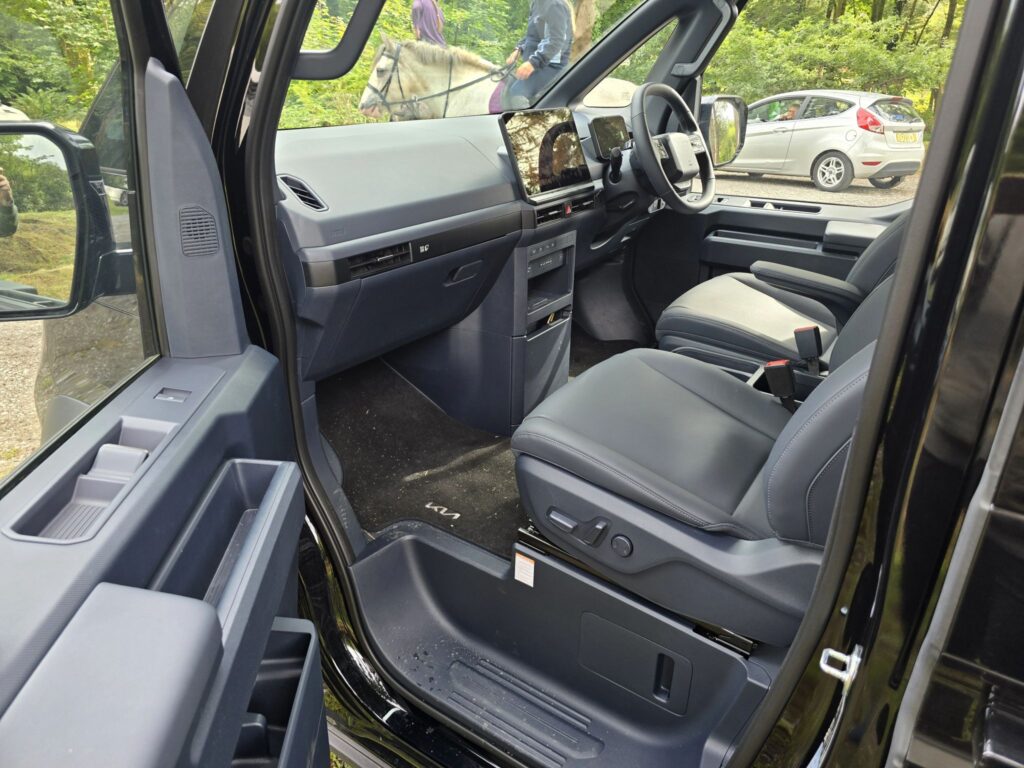
The high seating position gives you a great view of the road and makes it feel much more like an SUV. You get that commanding driving position without having to compromise on the practicality that comes with a much larger vehicle.
The one thing that did take some getting used to was the lack of a conventional front end.
Initially, I found myself parking slightly further away from objects than I normally would because you don’t have the usual visual reference point of a bonnet.
Thankfully, the parking sensors make this pretty easy to overcome, and after a little while I became much more comfortable judging where the front of the vehicle actually was.
Inside the PV5
The practicality is where this vehicle really starts to make sense.
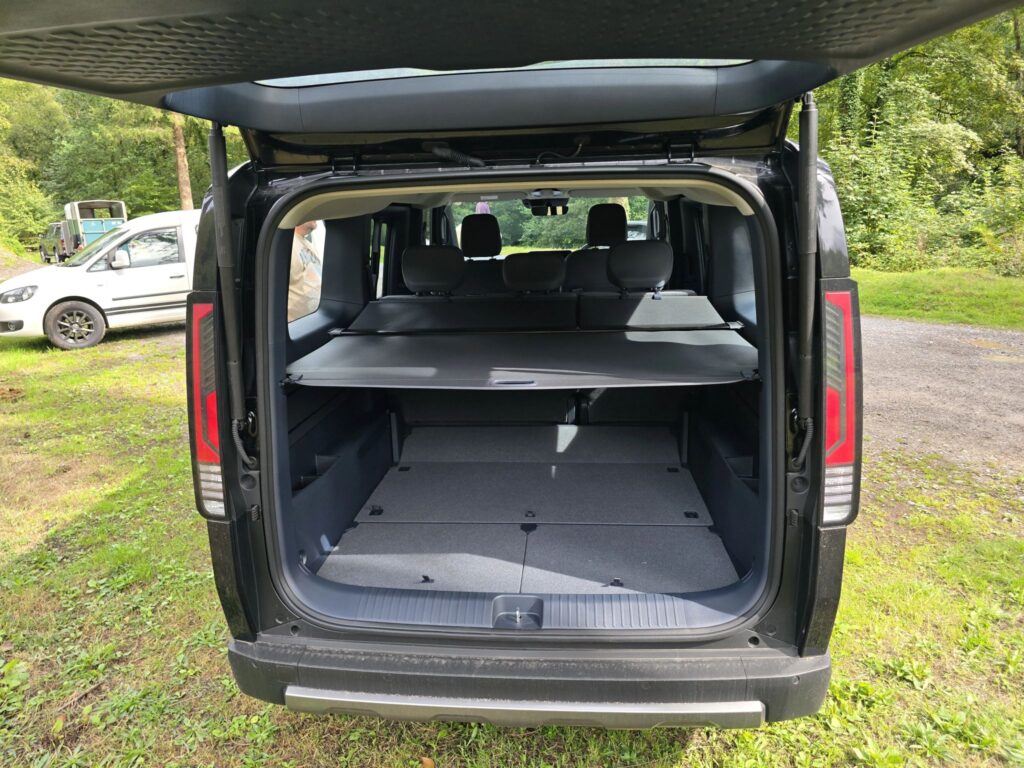
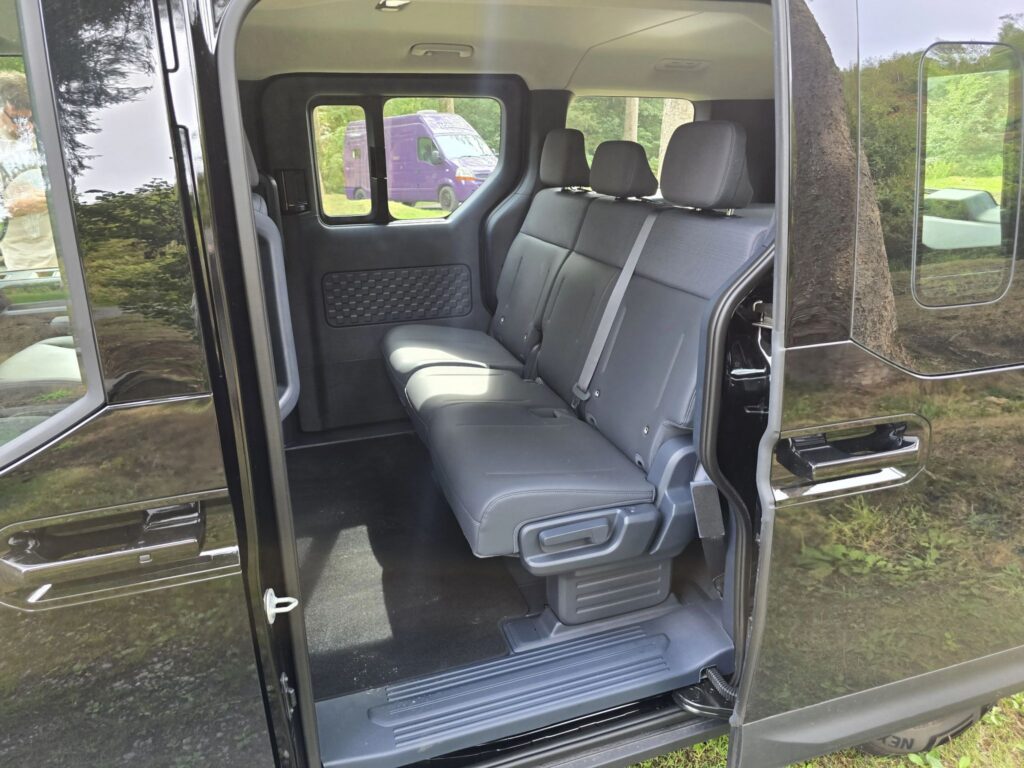
You get powered heated seats, including heated rear seats, a large powered tailgate, and considerably more usable space in the boot than you would typically find in a conventional SUV.
And that’s really the appeal of something like this.
You get SUV-like driving characteristics and comfort, but with a much more practical body.
There’s also the option of seven seats, although as you’d expect, choosing seven seats does reduce the amount of luggage space available.
For families, businesses or anyone who regularly carries bulky items, that extra flexibility could be a significant advantage.
A new generation of infotainment
This is also the first Kia to feature the new PLEOS infotainment system, powered by Android.
I’ll admit, it took me a little while to get used to it.
If you’re familiar with Kia’s existing infotainment systems, the new interface feels noticeably different. But after spending some time with it, I found it clear, responsive and relatively intuitive.
The navigation worked well, and one particularly useful feature was the ability to pre-plan charging stops.
For an EV that’s likely to be used for longer journeys, that’s exactly the sort of functionality you want.
It means you can spend less time worrying about where you’re going to charge and more time concentrating on the journey itself.
What about efficiency?
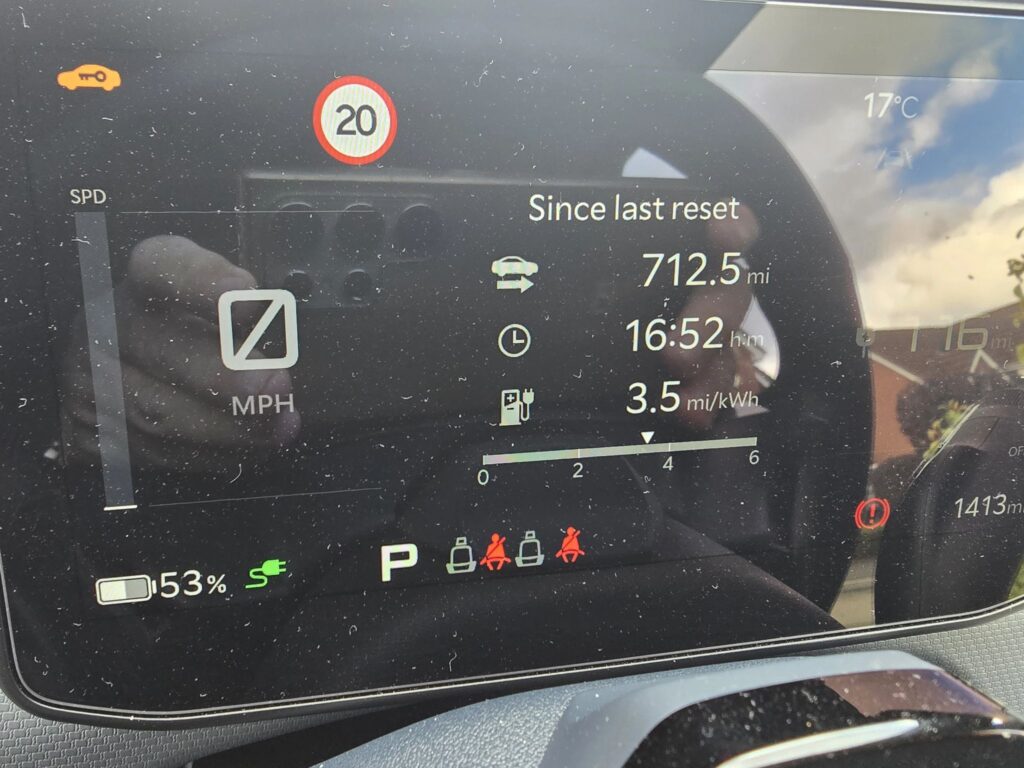
This was probably the area I was most interested in testing.
Over the more than 700 miles I drove the PV5, it averaged 3.5 miles/kWh across a mixture of driving.
That included plenty of motorway miles, which obviously isn’t where an electric vehicle is generally at its most efficient.
Based on the figures I saw, that gives a real-world range of around 241 miles, compared with the 252-mile WLTP figure.
For the type of driving I was doing during the week, I don’t think that’s a bad result at all.
But things got even more interesting when I put it through my eco-loop test.
Here, it achieved 5.3 miles/kWh.
At that efficiency, the theoretical range would be around 355 miles on a full charge.
Obviously, that’s not a figure I’d expect to achieve in everyday motorway driving, but it does demonstrate just how much driving style, speed and conditions can affect EV range.
And then there’s the price
This is perhaps where the PV5 becomes particularly interesting.
With prices starting at just under £34,000, it offers a very different proposition to many of the electric SUVs currently on the market.
You’re getting a lot of space, plenty of equipment, strong practicality and an EV powertrain — without necessarily having to step into a much more expensive vehicle.
And that’s what I think makes the PV5 so interesting.
It doesn’t try to be another electric SUV.
Instead, it takes the advantages of a van — space, practicality and versatility — and combines them with an experience that feels much closer to driving a car.
So, would I choose it?
After more than 700 miles and a week behind the wheel, I can definitely see why someone might choose this over an SUV.
It’s practical, comfortable, surprisingly easy to drive and, based on my testing, capable of some very impressive efficiency figures.
The biggest question is whether people are willing to move away from the traditional SUV shape.
We’re surrounded by them on our roads, but do we actually need them?
Because if you don’t need the styling or image of an SUV, something like the Kia PV5 could make a lot of sense.
You get more usable space, a high driving position, plenty of comfort and the benefits of an electric powertrain — all while potentially spending less.
For me, that’s what makes the Kia PV5 so interesting.
It’s not simply an electric van.
It could be a genuinely convincing alternative to the modern SUV.